

Mind The Gap
On personal space and national character

There is, across Europe, an invisible tape measure that comes out whenever two people begin a conversation. To Brits, Germans, and most northern Europeans this tape measure is used to keep a respectable length apart from one another. Head across to France or into southern Europe and this tape measure snaps.
I am fortunate enough to work in a large office in London with people from a wide range of countries. This has given me frequent insight into the nuanced way in which people from different cultures engage with each other, physically, whilst talking.
It’s something I’ve always been acutely aware of. Now, in contrast to my wife, I am a hugger. I instinctively hug someone when meeting, even if not especially close. Yet I find sustained closeness, intense eye contact, or being overly tactile during conversation oddly uncomfortable.
I noticed recently when a French colleague and I were talking in the office kitchen. After a long chat (much longer than a similar conversation with a Brit would have been) I noticed we had traversed half of the kitchen floor without realising, as she got nearer and I backed slightly away. A strange dance I don’t think either of us were conscious of.
I saw her more recently having a chat with another French colleague. They were practically embracing as they discussed actionable insights, KPI driven outcomes or whatever corporate gibberish was being covered.
I contrasted this later with a German colleague as we maintained a good 3-4 foot gap as we chatted awkwardly by the coffee machine.
It made me think, as ever, about the historical roots of all this behaviour.
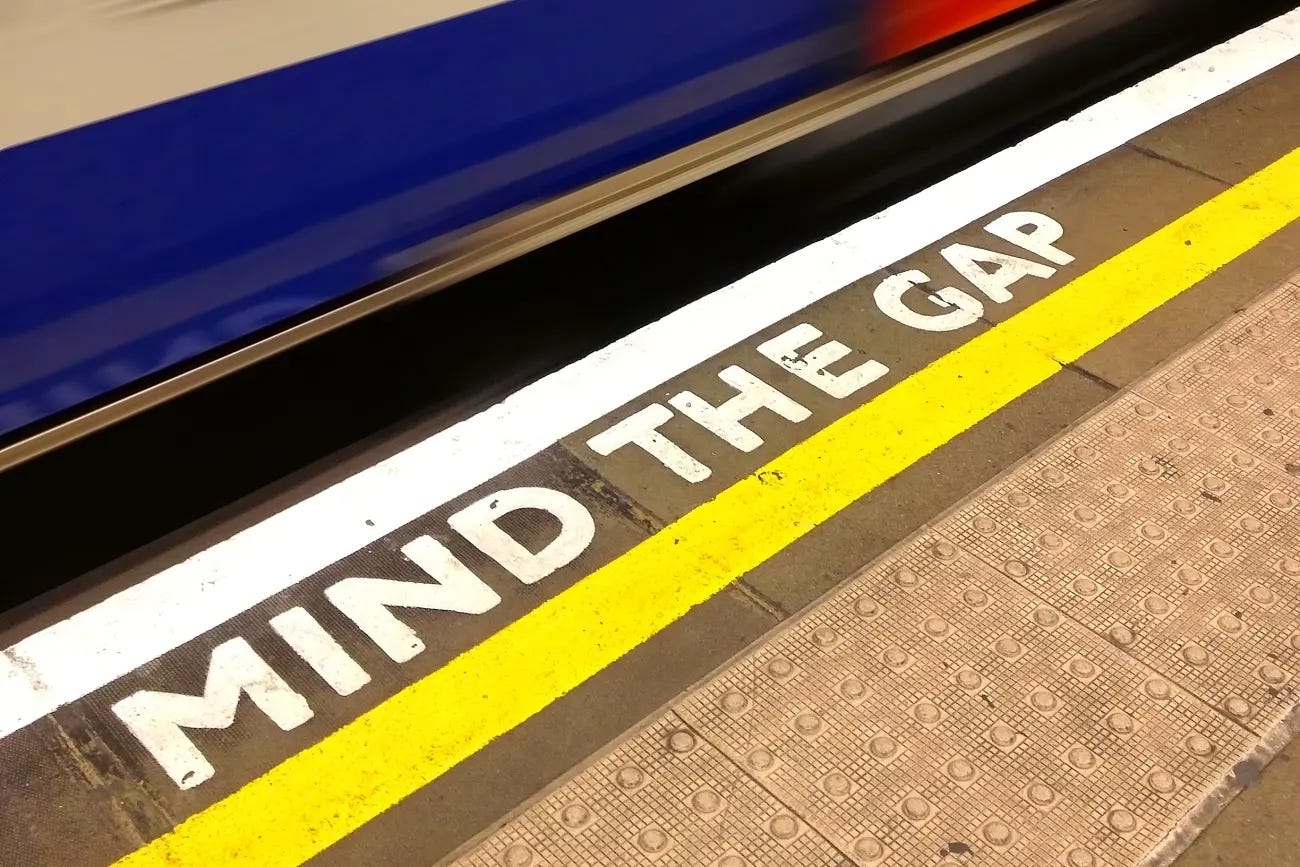
For the British, personal space is almost civilisational. Centuries of island living, orderly queues, hedgerows, and a cultural horror of causing inconvenience have produced a people capable of maintaining entire friendships from just beyond arm’s length. Step too close and you trigger a polite but unmistakable retreat.
In Italy or Spain, meanwhile, conversation happens not across space but within it. A point is rarely complete without a hand on the arm, a shoulder clasp, or wild gesticulation.
History may explain some of this. Northern Europe, shaped by colder climates, Protestant reserve, and traditions of privacy and domestic separation, developed habits of distance. Southern Europe, built around plazas, cafés, crowded streets, and communal life, evolved differently. There, proximity became warmth rather than intrusion.
The complex history of the German lands also plays a particular role, especially the dictatorships and divides of the 20th century. I have always personally found most Germans politefully respectful of personal space and quiet in speech compared to other parts of Europe. Yet, I recall a lot of older East Germans often complaining about how forward and loud their West German compatriats were. My old landlord joked about how easy it was to recognise a ‘Wessi’ as you’d hear them before seeing them. Decades of distruct, speaking quietly and keeping a distance from the preying eyes and ears of the Stassi ran deep.
Despite the different historical paths that produced it, a shared reverence for personal space — for distance, and the invisible boundary between people — is yet another quiet trait that draws Britons and Germans together.
I’m Polish by birth, living in Germany for a quarter of a century but it is Brits I always feel most comfortable with. Perfect social distance, just enough to feel both respected and, heard and left alone😉
Traffic lights are the same. N. Europeans obey them. The rest its more an act of voluntary compliance.